After taking our time to explore some of the great mountain ranges and cultures of the Asian continent (we spent nearly 8 months between Tibet, Nepal, Northern India, Pakistan, Uzbekistan, Kyrgyzstan and Tajikistan), we shifted gear to get across to Europe. Between 11 July and 31 July, we travelled nearly 7000 km by trains and buses, back through Uzbekistan, across Kazakhstan, quickly through Russia, then Georgia and across Turkey, to finally step into Bulgaria and the European Union. It was a fast paced transition and we feel we are a world away from Central Asia now, already nostalgic of the rugged adventure, but also impatient to soon be reunited with family and friends!
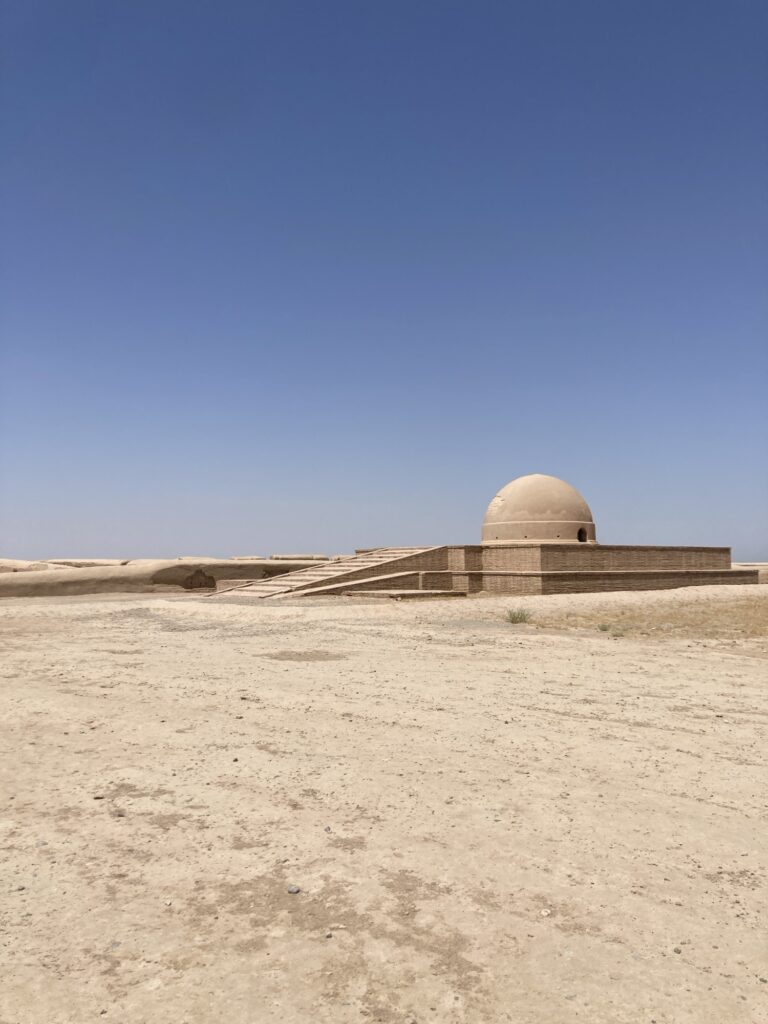
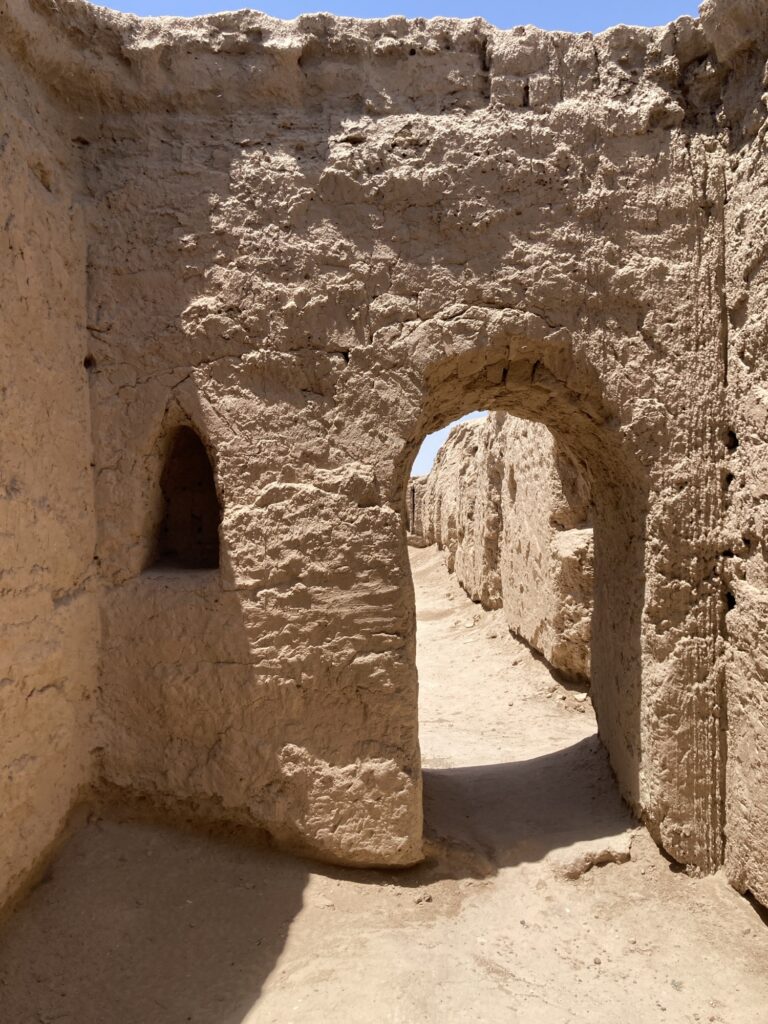
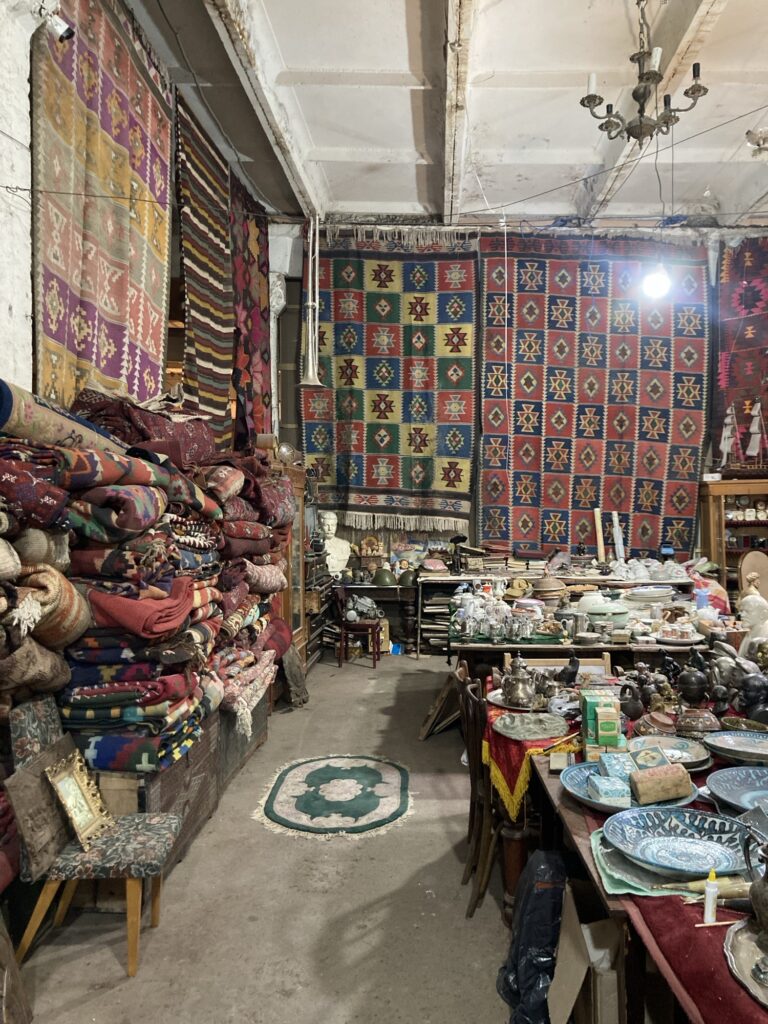
We farewelled Tajikistan – not before hunting down some more beautifully crafted hats and carpets for our collection – and headed to Termez in Southern Uzbekistan. Termez hosts ancient Buddhist settlements of the Kushan civilisation. Exploring underground cave monasteries, colourful pigments still visible on the walls and buddha niches, we were once again reminded of the mindblowing cultural and religious depth of Central Asia, an area of the world where so many peoples of such diverse backgrounds have come to travel, settle, trade and conquer.
From Termez, we took a night train travelling across Uzbekistan back to Tashkent, then a local bus followed by a taxi to the border with Kazakhstan, one of the busiest borders we’ve crossed so far. After another local minibus we arrived in Shymkent, the third largest city in this relatively wealthy country. Kazakhstan immediately felt more western, with more chain shops, diversity of food options and definitely more diversity and freedom in how people dressed.
With our focus now firmly on moving rather than visiting, by 7 AM the following morning we were on board the Almaty – Atyrau Express train, for the remaining 36 hours of the journey to far western Kazakhstan. What a luxurious form of travel compared to the last months, we had a train cabin to ourselves with comfortable beds and clean sheets!
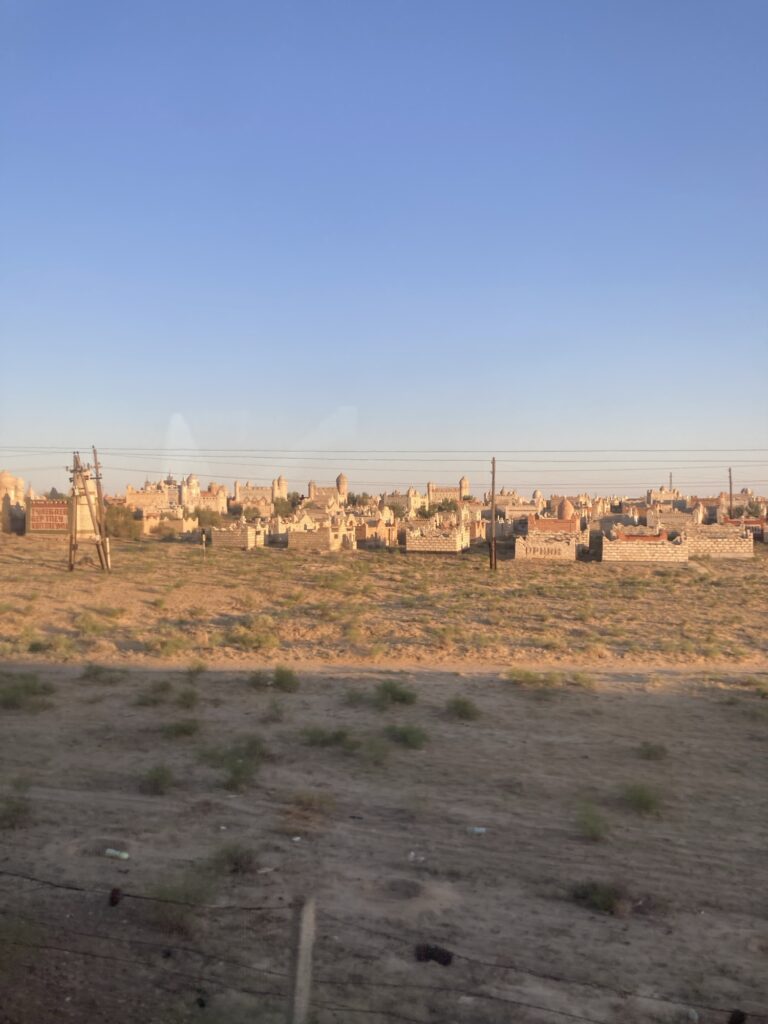
Accompanied by the relentless and rhythmic clickedy clack of the rails, we admired the golden light over the tufted, dry steppe. Camels grazed in the folds of hills. Bee eaters darted about near the banks of the Syr Darya river. Kazakh cemeteries with their domed and walled tombs, resembling small cities, claimed the high ground, catching the last light of day. The rare settlements the train passed had a distinct outback Australian air to them, dusty streets with a few hardy trees, and white-walled tin roofed buildings, with deep verandas to keep out the heat. The only difference being that here the winters are a bit more serious.
The dining car is always the heart of the train, and great for landscape and people watching. The train staff played backgammon, others ate cake or relaxed in the restaurant car, its deco matching the pastel brown and bleached colour scheme of the passing landscape.
Atyrau, an oil and fishing city near the Caspian sea, didn’t hold much interest for us, but provided a good space to go through all our messages and apps, deleting as needed before crossing into Russia. All reports from travellers taking the same path through Russia had indicated no issues at all, just the potential for questions on Ukraine and the ‘special operation’, maybe a phone and bag check. Woken at 5AM by the train carriage matron for Kazakh immigration, we then waited with baited breath for the Russian border. Before we knew it, we were in Astrakhan. No hassles at all at the border, no bag checks, no phone checks, but still a written questionnaire on any military ties, Ukraine links and opinions on the war and do we consider Crimea part of Russia… « No opinion » was unfortunately the only advisable answer.
The few locals we spoke to in Russia were courteous and friendly, nonetheless we kept a low profile. A 10 hour bus ride took us across the Volga and through the steppe fringing the Caspian Sea, then across Dagestan and Chechnya, passing many mosques with the Caucasus range rising in the distance. We spent the night in the charming colonial town of Vladikavkaz, surrounded by the lush foothills of the Caucasus. Organic shops and fancy boutiques were a clear sign that we were entering increasingly wealthy and western areas. The only signs of the war were the many recruitment billboards featuring offers of sign up bonuses, and anti-drone guns mounted on trucks and utes dotted across areas of the countryside. Suffice to say we didn’t try to speak to anyone about the war. But it’s worth noting the Russians we’ve met outside Russia spontaneously mentioned their opposition to Putin and his actions.
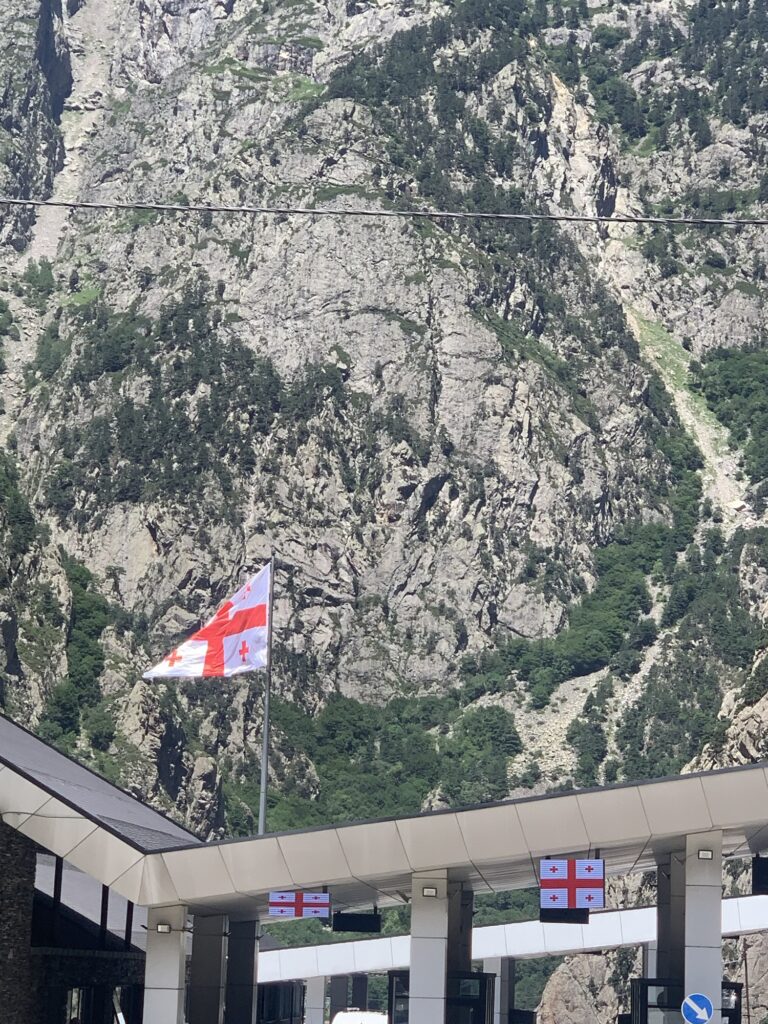
We left early for the border as travelers had warned of long waits. We spent 5 hours inching just 5 km between the border points, with hoards of Russians heading to Georgia, Turkey or Armenia for their summer holidays, or returning to their new « home » for those who escaped Russia and conscription at the beginning of the war. Despite the ease of our transit across this part of Russia, it was still with great relief that we stepped into Georgia, sipped a solid Georgian red wine and spoke more freely with the Russian family giving us a lift.
Returning to Tbilisi, eight years after our last visit, felt like stepping into a bustling European city. Active citizens are busy protesting against very questionable election results and the heavy presence of Russians escaping military service and more. We were a bit overwhelmed by the amount of tourists flying in for short holidays and the strips of shops one finds in any European city, but a definite plus was the great techno music in Tbilisi !
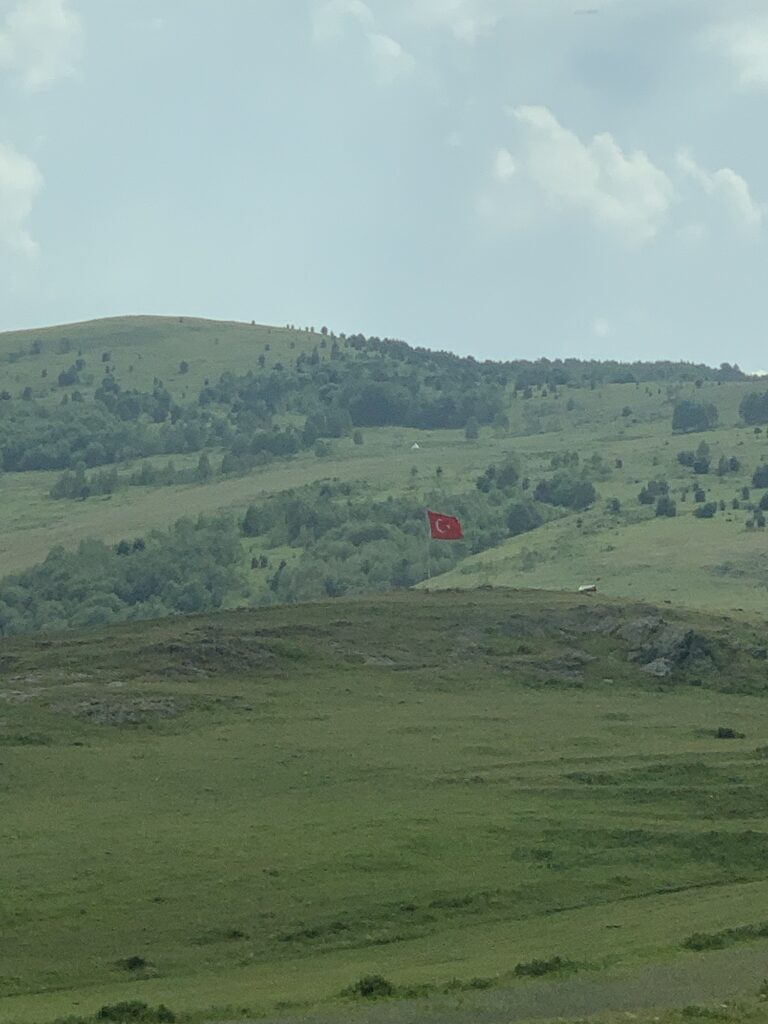
Hoping to escape the heat and return to more adventurous travelling, we crossed a little used border into Turkey. Our first views were of magnificent rolling hills of the eastern Anatolian plateau, all at around 2000m. Green to golden flowing grass, much of it being cut for hay. Other areas cropped with wheat and oats, with harvesters groaning across the endless fields. Geese waddled in flocks around the stone walled and dirt roofed houses. Bee hives and numerous prairie flowers abound, this is a land of milk and honey, with a gentle summer that transforms into a harsh continental winter. Hitching was easy, people were friendly and straight away we felt a sense of adventure and exoticism again.
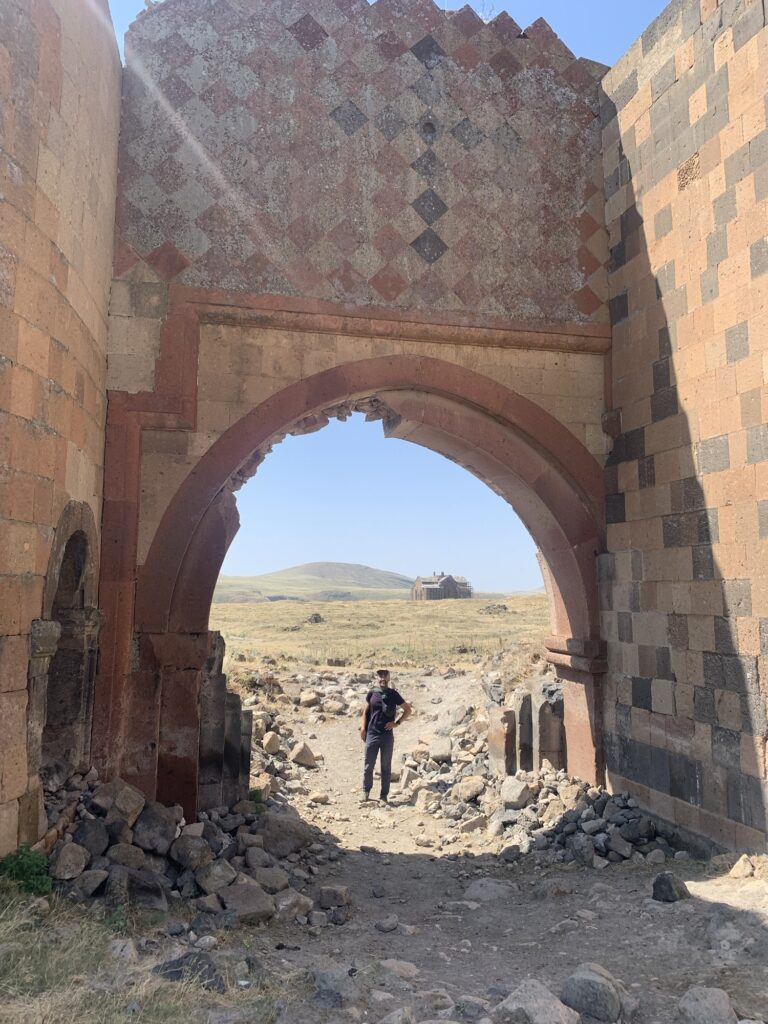
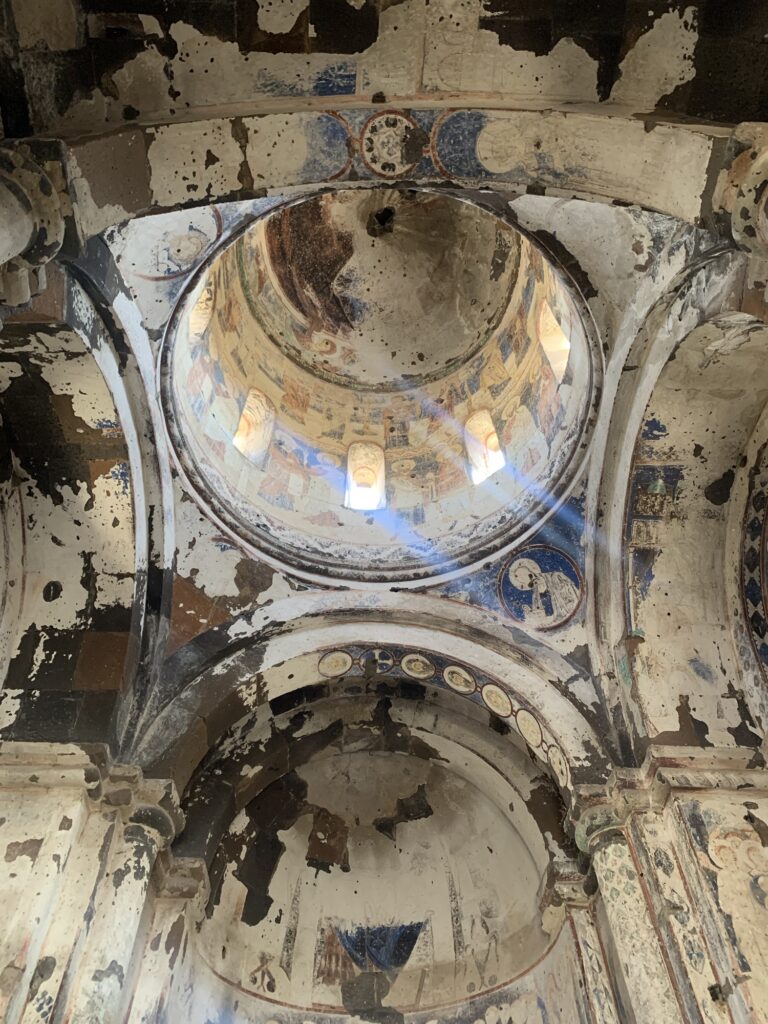
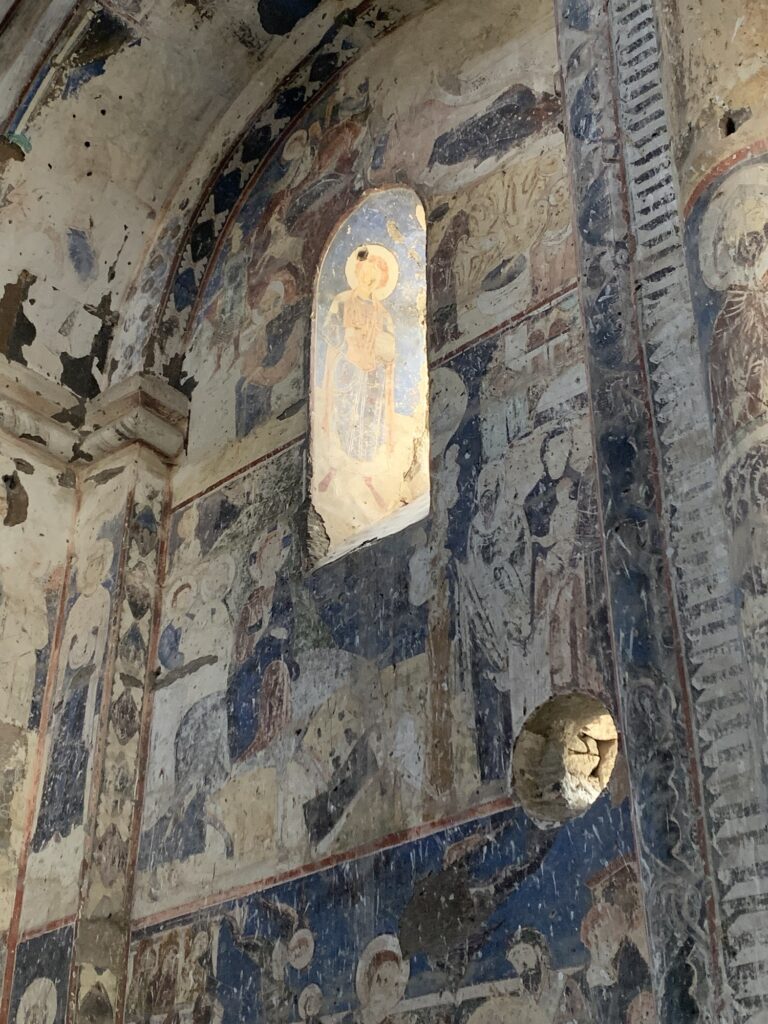
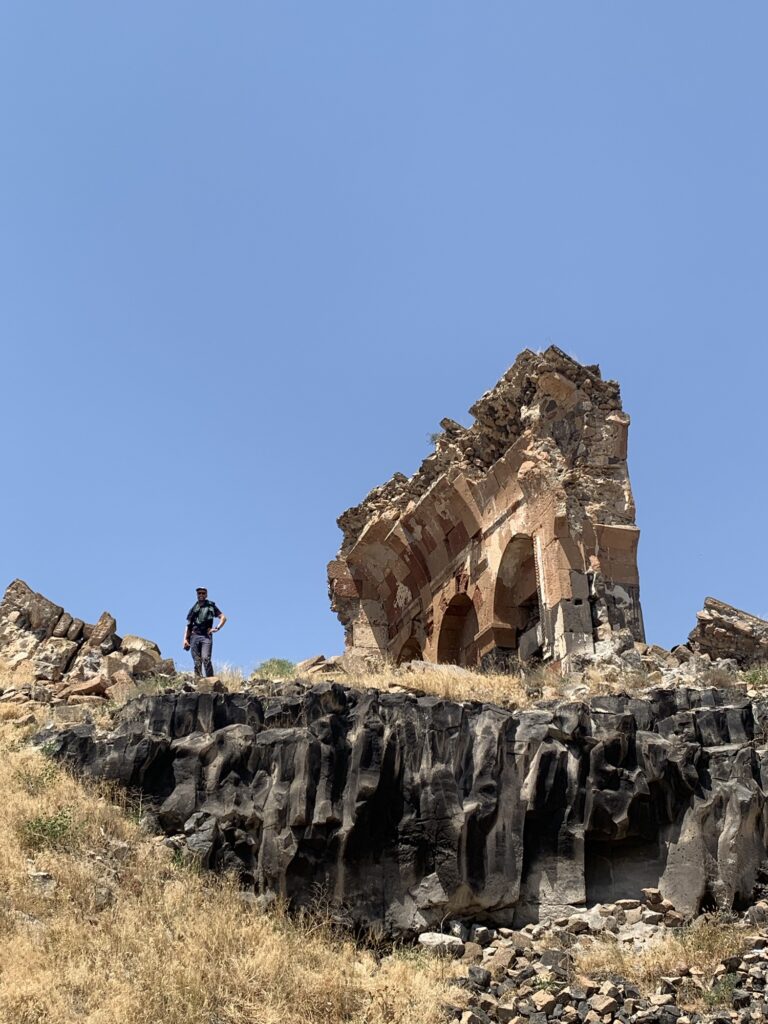
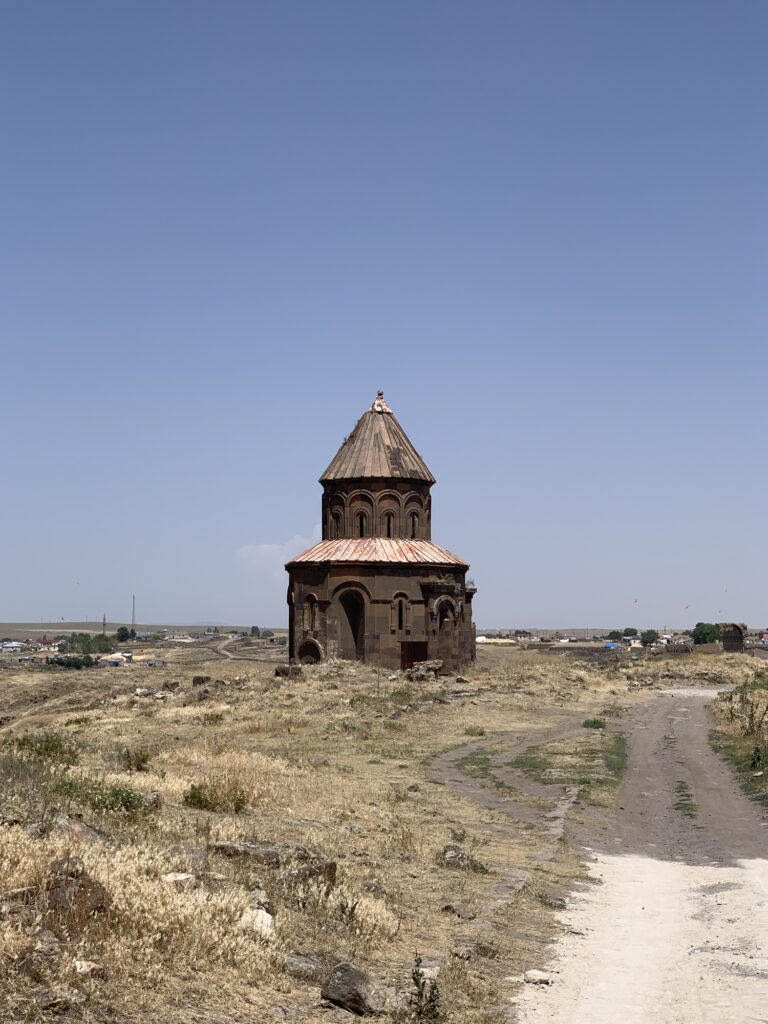
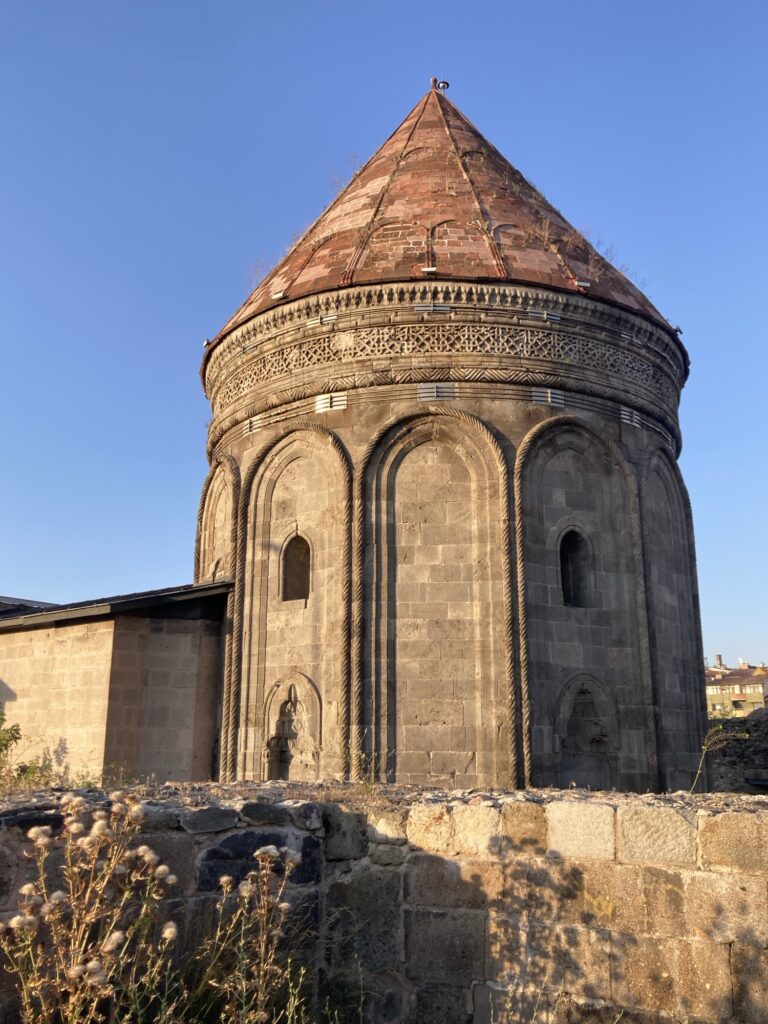
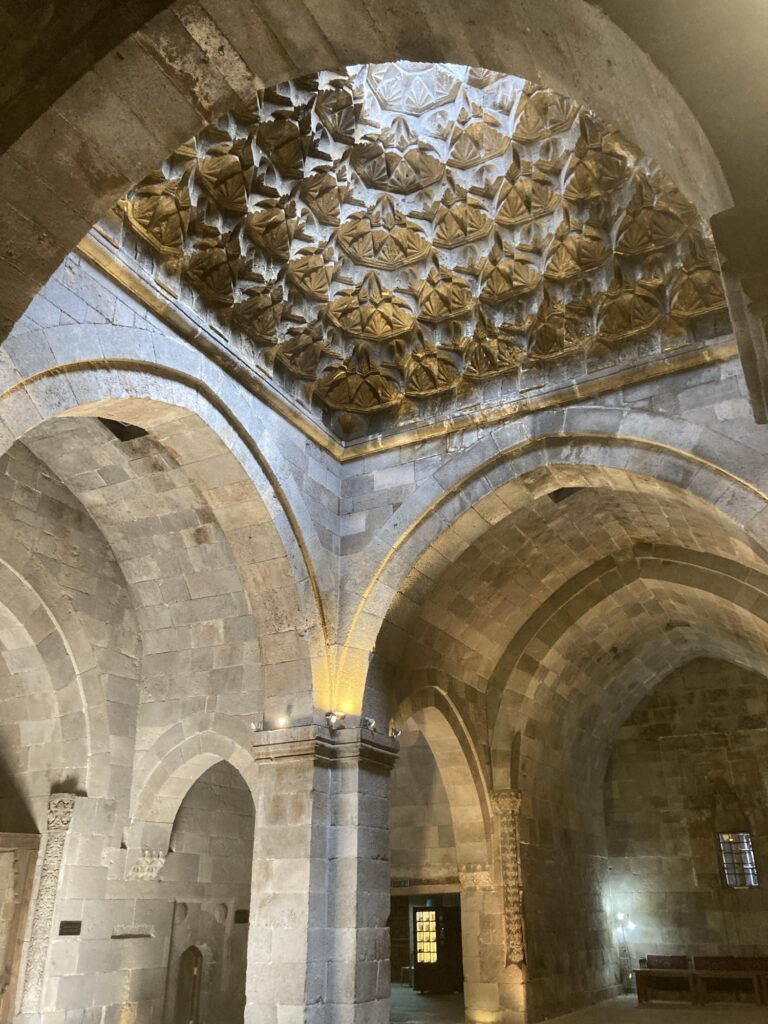
Who would have thought we would be admiring stately Russian stone buildings, exploring the ruins of a wild and sophisticated abandoned Armenian capital, tasting cheeses and pulling on a jumper in the brisk evening air, all in Turkey in July! The far east of Turkey is a mixing pot of cultural influences, with a strong Russian architectural influence as a result of the Russian occupation of this area from 1878 to 1917, and an older Armenian influence from the days of Armenian Kingdoms. We were almost alone exploring the remains of the medieval city of Ani. Churches, cathedrals, mosques and monumental walls of perfectly cut stone, stand eerily in a wild windswept part of the plateau on the current Armenian border. The nearby town of Kars, now appearing very peaceful, used to be home to a large Armenian community, until they were massacred along with 1.5 million Armenians in 1915-1916. The increasingly turkic-nationalist Ottoman Empire pursued a genocidal policy, propped up by accusations of treason levelled at the entire Armenian community, when some joined Russian forces advancing towards Anatolia during WWI.
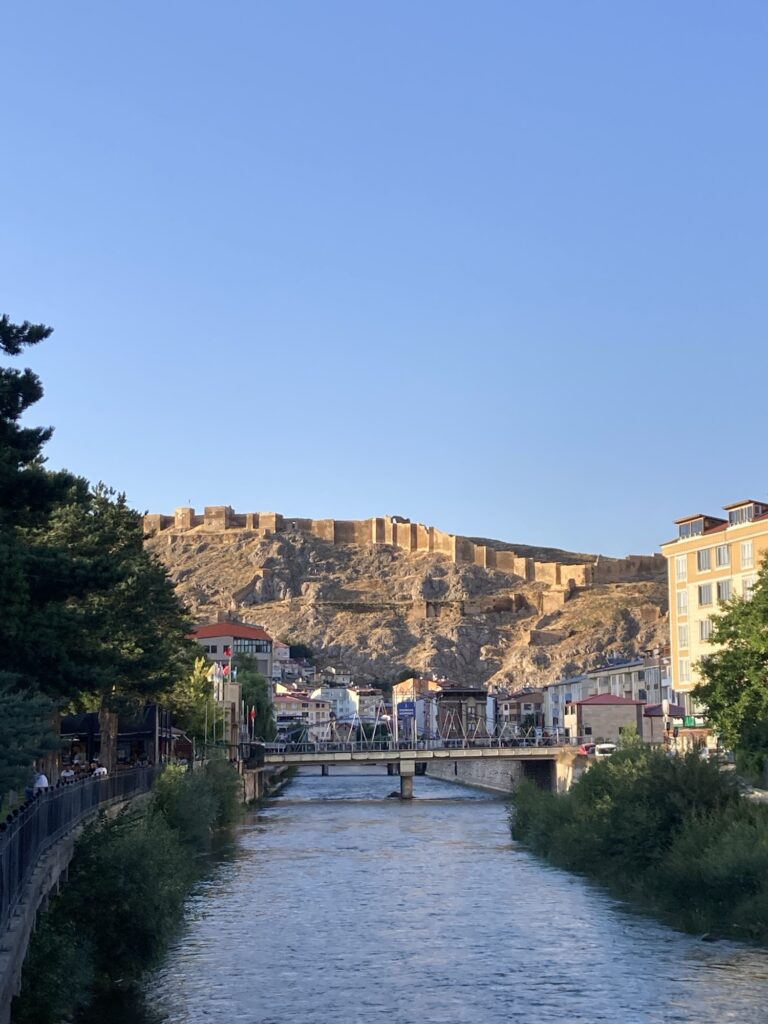
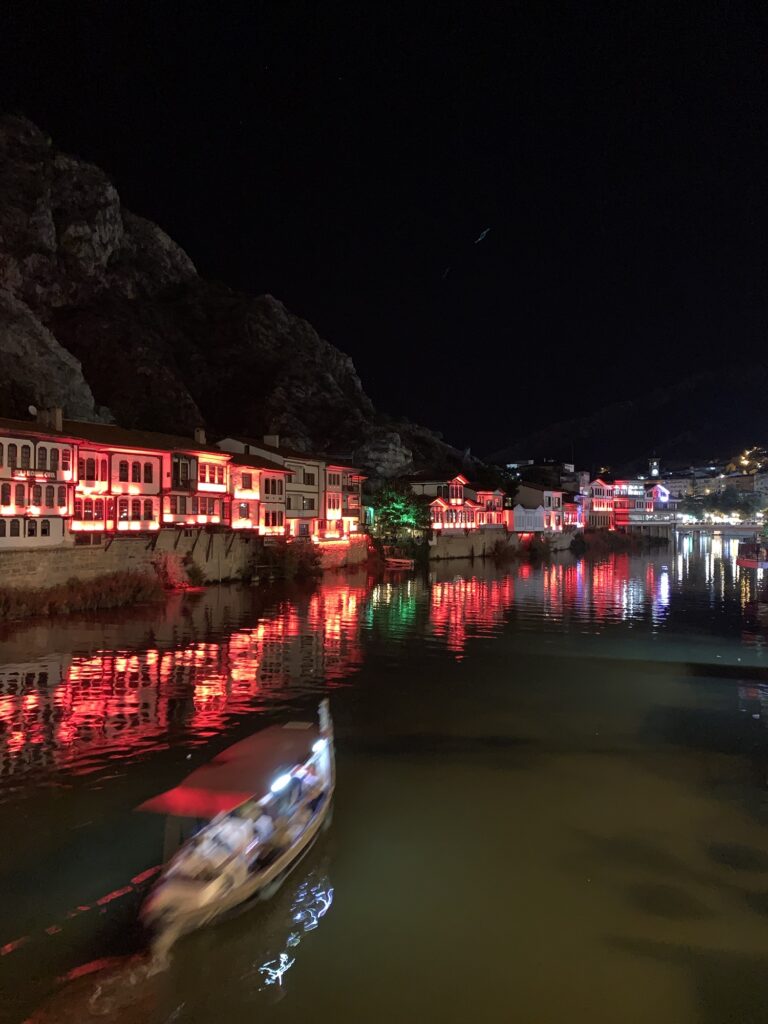
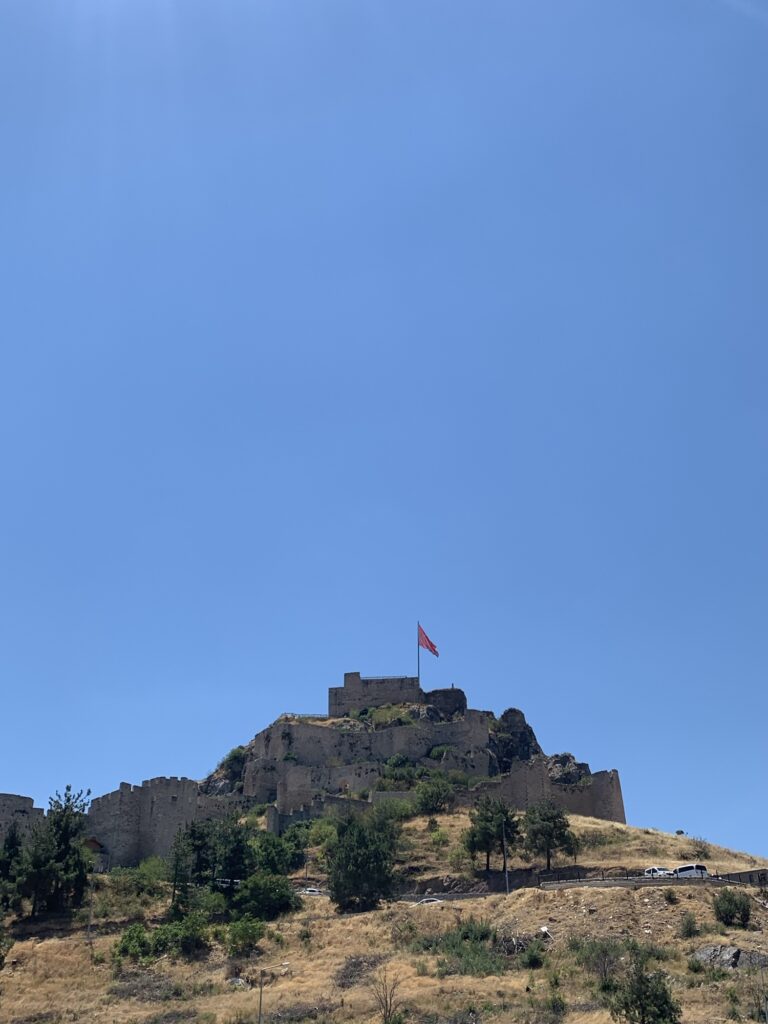
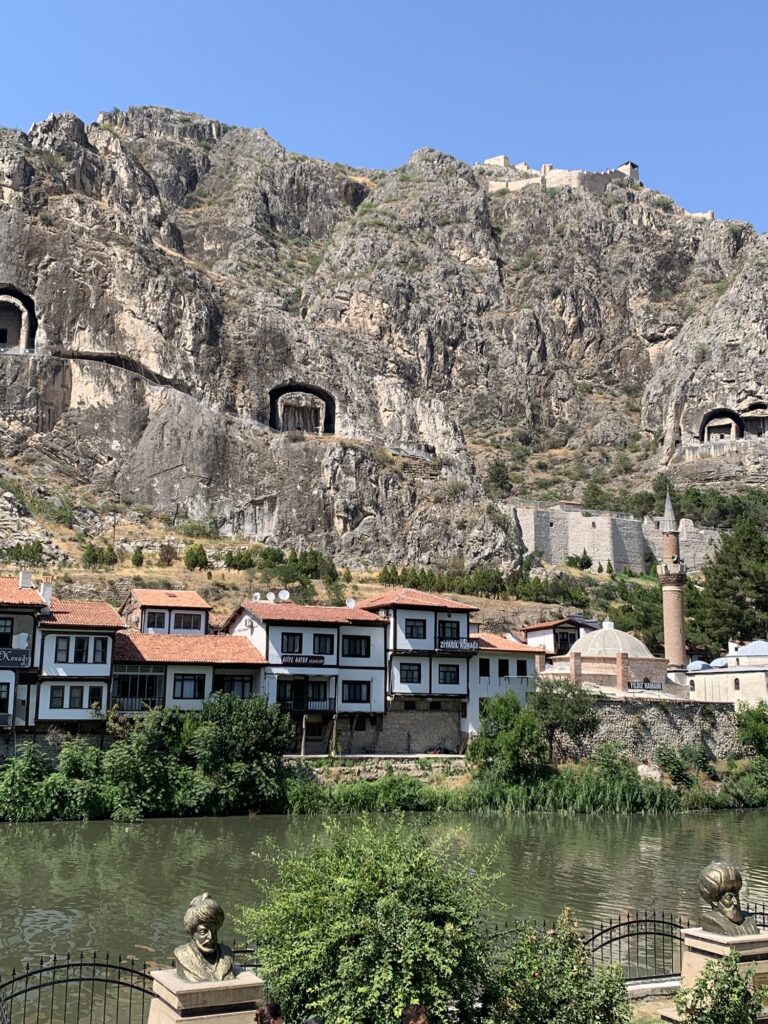
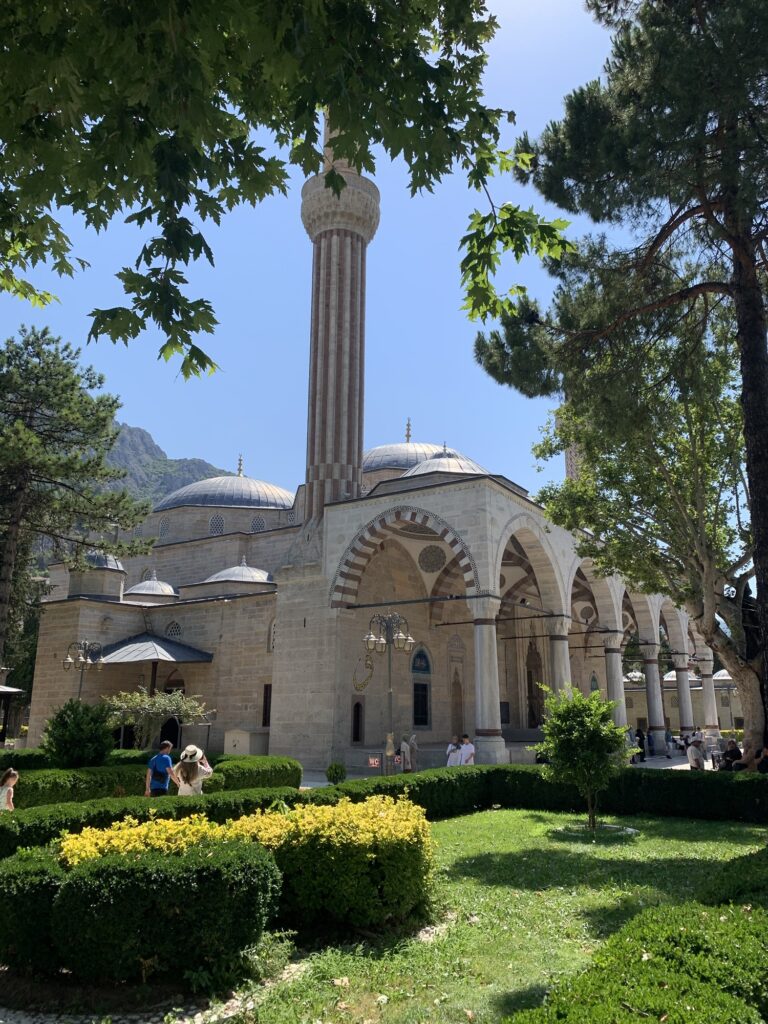
We continued our way West by train and bus, visiting the towns of Erzerum and Bayburt en route, and arrived in the charming Amasya. A lovely inn in a traditional ottoman mansion decorated with antiques was our home for three days, and we took endless strolls along the riverfront, admiring the castle and tombs perched high on the rocky cliff, and ate many ice creams to beat the heat. We made friends with the young local watermelon vendor, his wife and their friends and it was interesting to hear of their 1000-people grand weddings and dreams of travelling to Dubai… a world away from us, but certainly united by our love for ice cream and good company!
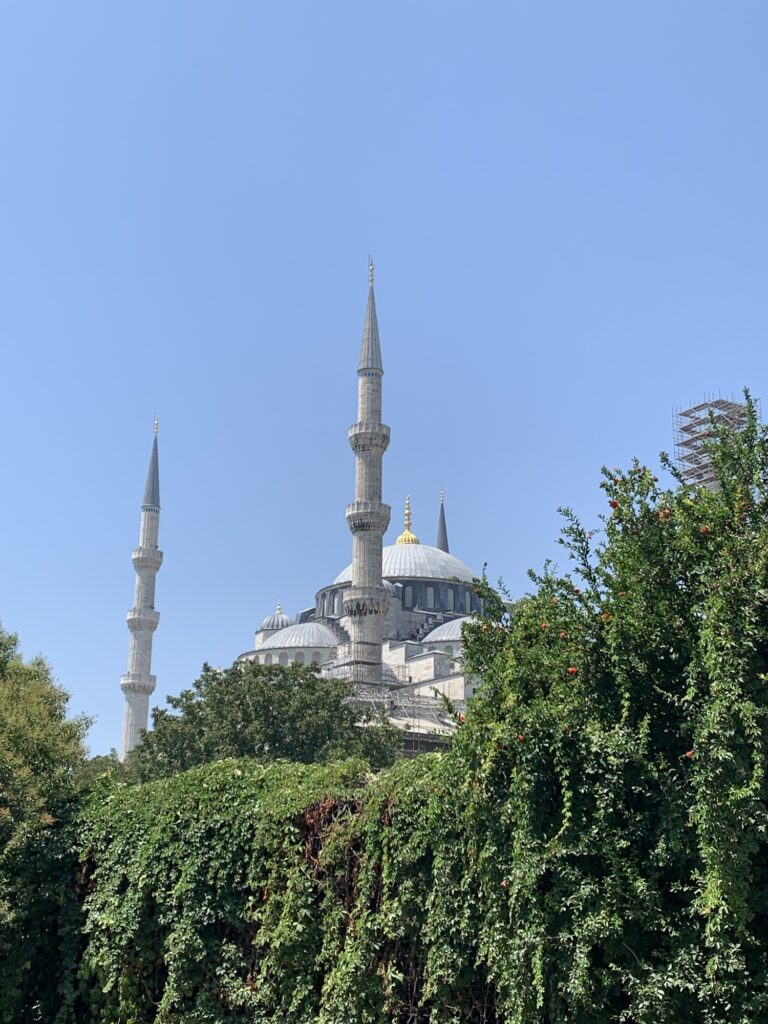
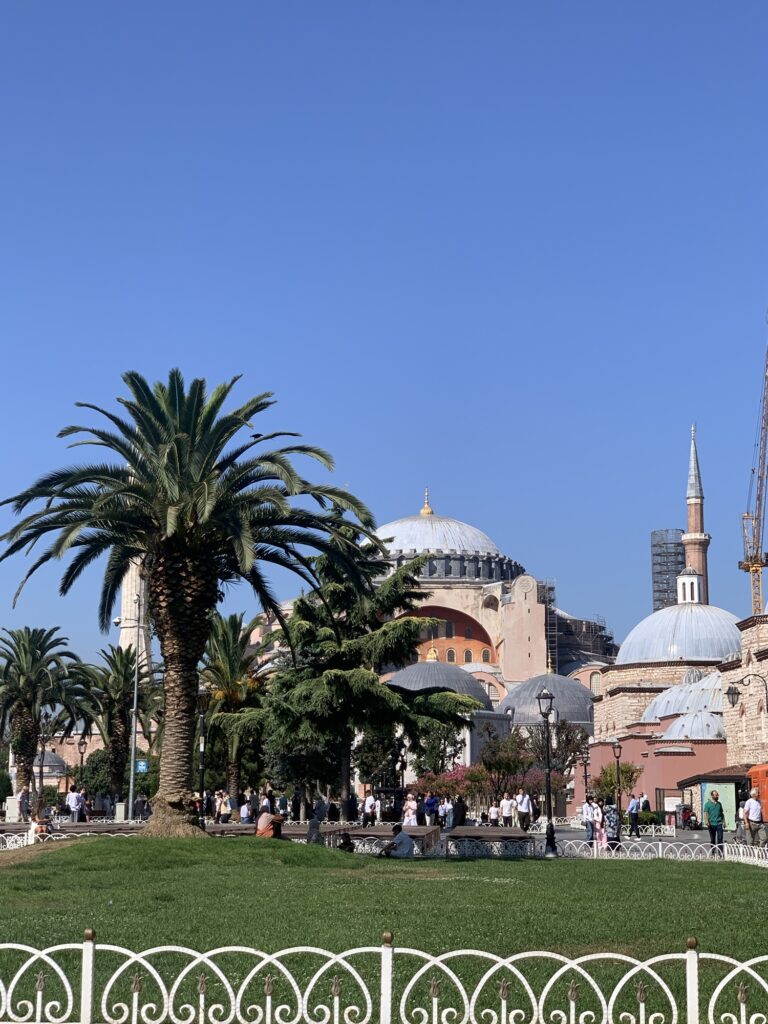
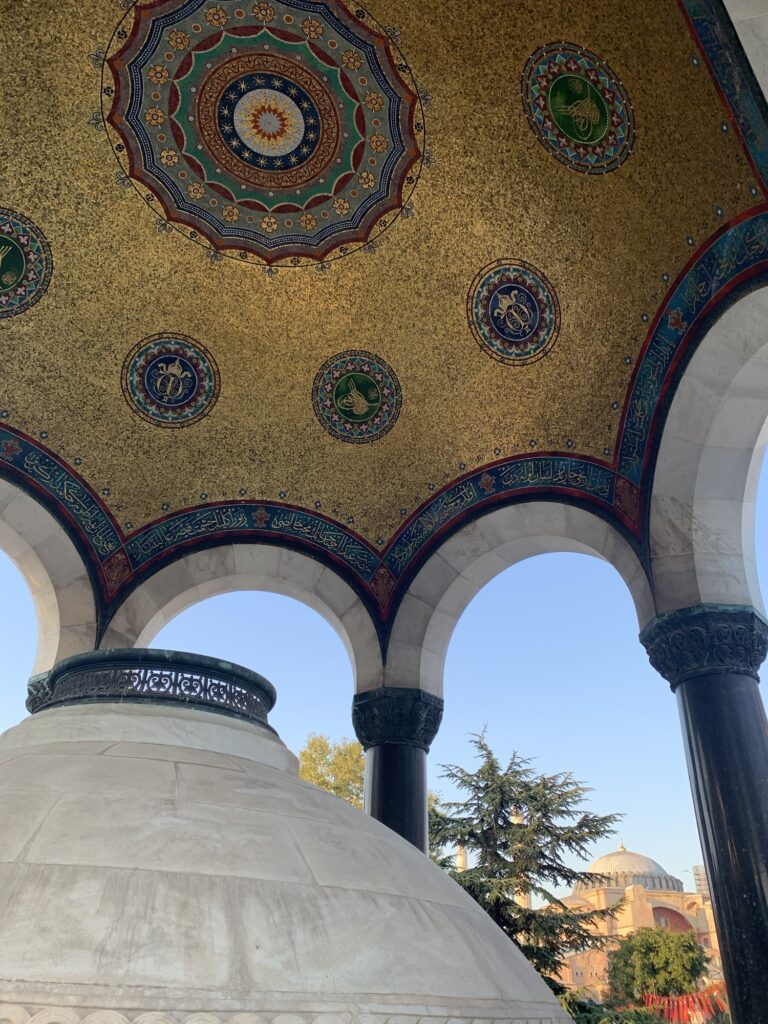
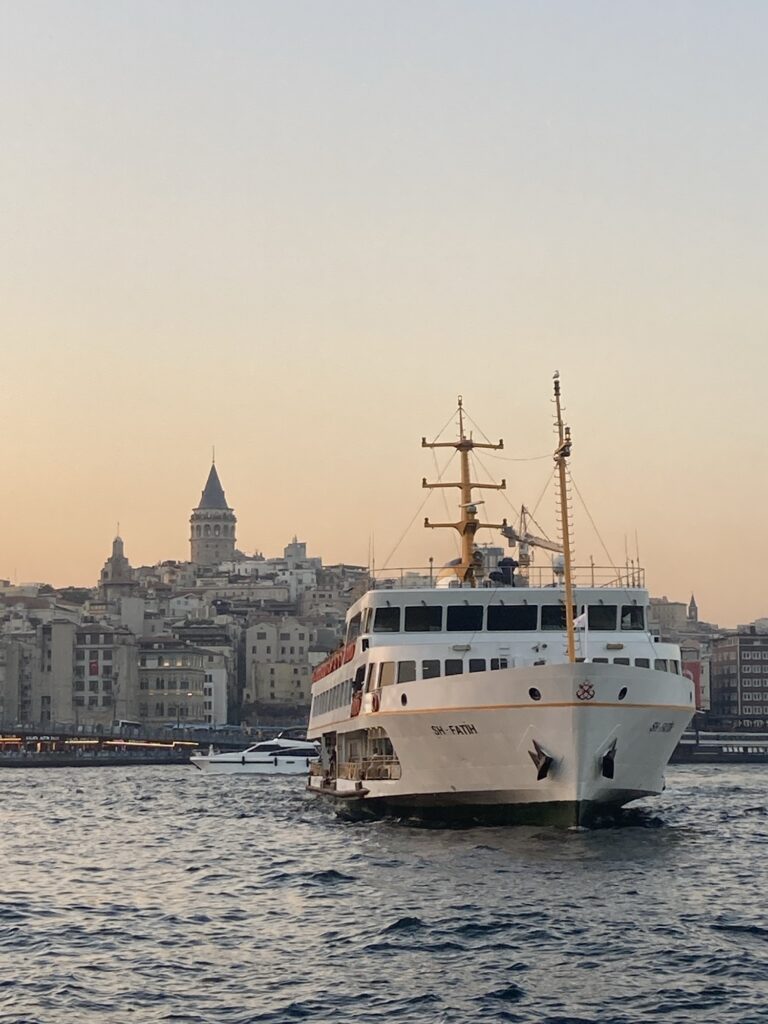
Another long (12hr) bus ride and we were in Istanbul, excited to be at the edge of Europe, and to explore this immense bustling city, 25 years (for Tim) and 12 years (for Margot) after our first visit here. We visited the magnificent Blue Mosque again but refrained from other monuments which we’d been lucky to visit already – put off by the excessively high prices and hoards of tourists. Away from the crowds, we enjoyed exploring Fatih, a neighbourhood home to a large Syrian community – some 3.5 million Syrians have found refuge in Turkey since the onset of the war in Syria in 2011.
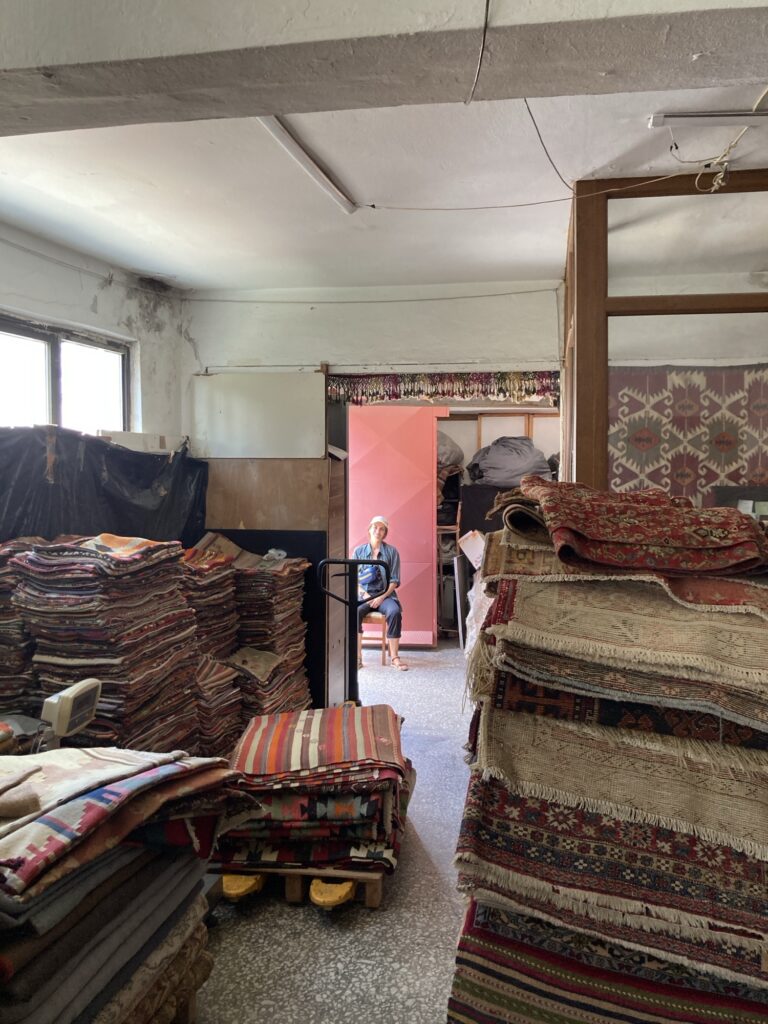
But the highlight of our time in Istanbul were the long conversations we had with local characters. We spent a few hours respectively with passionate carpet dealers in the bazaar, one an Afghan businessman, the other a Marxist philosopher. We hardly resisted buying a magnificent Kilim. We discussed the revival of traditional Iznik tile making with a shop owner while marveling at the exquisite turquoise and cobalt hues on the ground stone tiles. And we spent a long time discussing islam and the status of women in islamic communities with a young muslim female volunteer in the Blue Mosque.
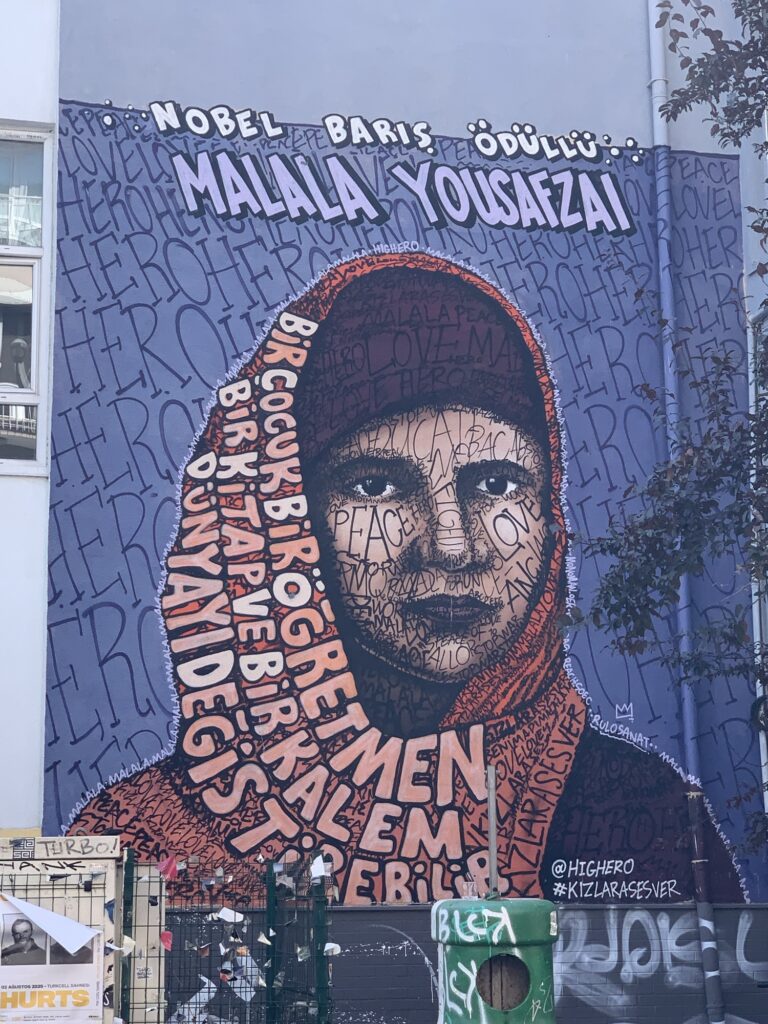
We’ve spent more than 6 months in total in muslim countries since starting our trip, but it was the first time that I (Margot) felt that I could openly discuss the status of women and ask questions. I was eager to hear her thoughts on wearing the hijab, freedom, equality, oppression… Kevser, a 28 year old graduate in psychology, patiently answered my questions. If I had to summarise her views – which strongly (strangely?) echoed the signs posted in the Mosque’s courtyard – the Quran supports equality between men and women (notably via the duty to read and get an education), it requests men as much as women to dress modestly and cover themselves, and even protects women, who have the right to work IF they want – once the caring and housework is complete – while it’s a man’s duty to work and provide for the family. According to her, oppression, inequalities and integral covering (burqas) are the result of local norms rather than of Islam itself. For her part, she feels free, equal to her brother and empowered; she independently chose to wear the hijab as a sign of modesty, and I believe that. I did want to ask why most men wear shorts, flip flops and no headgear, when women can only show their face and hands and even wear socks in their flip flops in 40 degree heat – but I didn’t.
As she said, religion and local norms overlay and she no doubt represents a community of women who are free and empowered, and so many women in the streets of Istanbul gave that impression. I also trust her reading of the Quran and even believe the noble intentions that may have presided over its writing in promoting equality and protection of women. I can believe that at the time Islam emerged in 7th century CE, the Quran represented an advancement on already entrenched oppressive patriarchal structures. However wherever these oppressive structures haven’t been successfully challenged and tamed (and that’s a lot of places including in the Western world), the 1400 year old immutable text still constitutes a source of inequality – justifying that women must do all the house work while men sip tea at the teahouse with their mates after going to the mosque. At its worst, it even is used to justify violent oppression when it is interpreted by patriarchal fanatics like the taliban in Afghanistan.
Ultimately, I am left with thinking that women should be free. Free to wear the hijab or not, free to stay at home and focus on housework if that is their calling, but equally free to do just half or no housework if they don’t want to. Free to study, to work, to dance, to sing and dress however they damn like it. But after this trip and long dive into muslim and non muslim countries, I am forced to recognise that the most oppressive religion of all is patriarchy. And patriarchy thrives wherever women haven’t been able to become more independent. Independence is mostly achieved when women make their own money, which mostly happens when they can access the work force, which mostly happens when they can study and are not expected to focus on becoming a good wife and doing all the housework and caring duties before they can work…
As we turn to Europe and leave the islamic world behind, I am grateful that this voyage has painted a much more detailed and nuanced picture of islam in my mind. One of generosity, hospitality, charity, modesty, community – all values that I share. And that beyond sharing a god and core values, islamic communities are profoundly diverse in their culture and norms. There is of course still plenty more to understand and learn, and I also feel curious to go towards muslim communities in Europe and understand them better, beyond the negative image they increasingly carry in the media. Most of all, I feel an increased determination to challenge patriarchal structures – those who wear the mask of Islam and those that don’t.